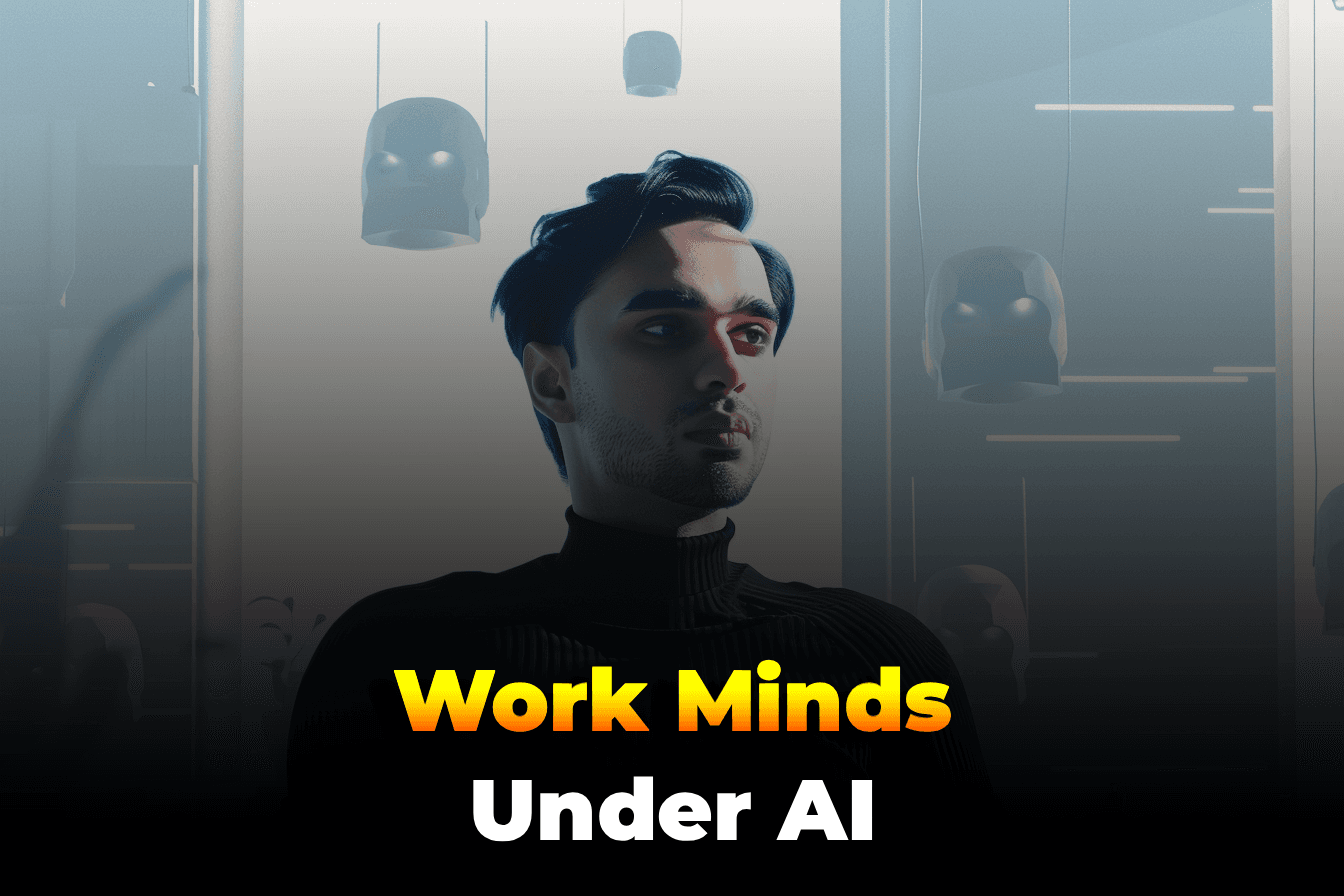
AI and Automation: The Game-Changers India's Manufacturing Sector Needs to Scale
How emerging technologies are reshaping the future of Indian manufacturing and why automation is no longer optional





India's manufacturing sector stands at a critical juncture. As global competition intensifies and supply chains become increasingly complex, the adoption of artificial intelligence (AI) and automation has emerged as the decisive factor separating industry leaders from laggards.
Recent industry analyses indicate that AI and automation technologies are no longer luxury investments but essential tools for manufacturers seeking to scale operations, improve efficiency, and remain competitive in the global marketplace.
The Manufacturing Transformation Underway
India's manufacturing landscape is undergoing a profound transformation. Traditional manual processes that have defined the sector for decades are rapidly giving way to intelligent, automated systems capable of unprecedented precision, speed, and scalability.
The integration of AI-powered quality control systems, robotic process automation (RPA), and predictive maintenance technologies is enabling manufacturers to dramatically reduce production costs while simultaneously improving product quality and output consistency.
Machine learning algorithms are now being deployed across production lines to identify defects in real-time, optimize supply chain logistics, and forecast maintenance requirements before equipment failures occur. These capabilities translate directly into reduced downtime, lower operational costs, and enhanced competitive positioning.
Why Automation Is No Longer Optional
The business case for automation in manufacturing has never been stronger. Labor shortages, rising wage pressures, and the need for 24/7 production capabilities are pushing manufacturers toward automated solutions at an accelerating pace.
"Today, we need automation more than we need its luxury benefits," says Hamza Baig, founder of the Automation Institute™ and Hexona Systems. "The question is no longer whether to automate, but how quickly organizations can implement these systems and train their workforce to leverage them effectively. Indian manufacturers who delay this transition risk falling irreversibly behind their global competitors."
Baig's perspective carries particular weight given his track record in building automation ecosystems. Through the Automation Institute™, he has trained over 30,000 students in automation technologies, while Hexona Systems—his automation engine platform—now serves more than 1,000 agencies worldwide.
The Skills Gap Challenge
While technology adoption accelerates, a critical challenge remains: the shortage of skilled professionals capable of implementing, managing, and optimizing these automated systems.
Manufacturing facilities implementing AI and automation require workers with entirely new skill sets—data analysis capabilities, programming knowledge, and the ability to work alongside intelligent machines. This skills gap represents both a challenge and an opportunity for India's workforce.
Educational institutions and private training organizations are racing to bridge this divide by developing specialized curricula focused on automation operations, AI system management, and human-machine collaboration techniques.
The Automation Institute™, for instance, has pioneered training programs specifically designed to create what Baig calls "Automation Operators"—professionals equipped to develop businesses and efficient workflows through AI technology. This focus on practical, applied automation skills addresses a critical market need as manufacturers seek talent capable of driving their digital transformation initiatives.
Technology Driving the Revolution
Several specific technologies are proving particularly transformative for India's manufacturing sector:
Artificial Intelligence and Machine Learning: AI algorithms analyze vast amounts of production data to identify optimization opportunities, predict quality issues, and recommend process improvements that human analysts might miss.
Robotic Process Automation: Software robots handle repetitive, rule-based tasks with perfect consistency, freeing human workers for higher-value activities requiring creativity and complex problem-solving.
Internet of Things (IoT) Sensors: Connected devices throughout manufacturing facilities generate real-time data streams that enable unprecedented visibility into operations and instant response to emerging issues.
Predictive Maintenance Systems: AI-powered analytics predict equipment failures before they occur, allowing maintenance to be scheduled during planned downtime rather than responding to unexpected breakdowns.
Computer Vision Systems: Advanced image recognition technologies perform quality inspections at speeds and accuracy levels impossible for human inspectors to match.
The Competitive Imperative
For Indian manufacturers, the adoption of AI and automation technologies carries strategic implications extending far beyond operational efficiency. As global supply chains realign and manufacturing competitiveness increasingly depends on technological sophistication, companies that successfully implement these systems gain significant advantages.
Automated facilities can respond more quickly to changing market demands, customize products more efficiently, and maintain quality standards that meet or exceed international benchmarks. These capabilities are essential for Indian manufacturers seeking to compete not just on cost, but on quality, reliability, and innovation.
Looking Forward
The trajectory is clear: AI and automation will define the future of manufacturing in India and globally. The manufacturers who thrive in coming years will be those that view these technologies not as threats to employment, but as enablers of enhanced productivity, improved working conditions, and sustainable growth.
As Baig notes, the mission extends beyond simply teaching automation techniques. "We're building a worldwide movement," he explains. "This is about equipping people and organizations with the tools to fundamentally reimagine how work gets done."
The transformation of India's manufacturing sector through AI and automation represents more than technological adoption—it's a fundamental reimagining of what's possible when human creativity combines with machine capabilities. For manufacturers willing to embrace this change, the opportunities are boundless.
About
Hamza Baig is the founder of Hexona Systems—an automation agency and softwareplatform that helps thousands of entrepreneurs and business owners implement AI-powered workflows at scale.